Is Mount Hood a Volcano?
Dead, dormant or active
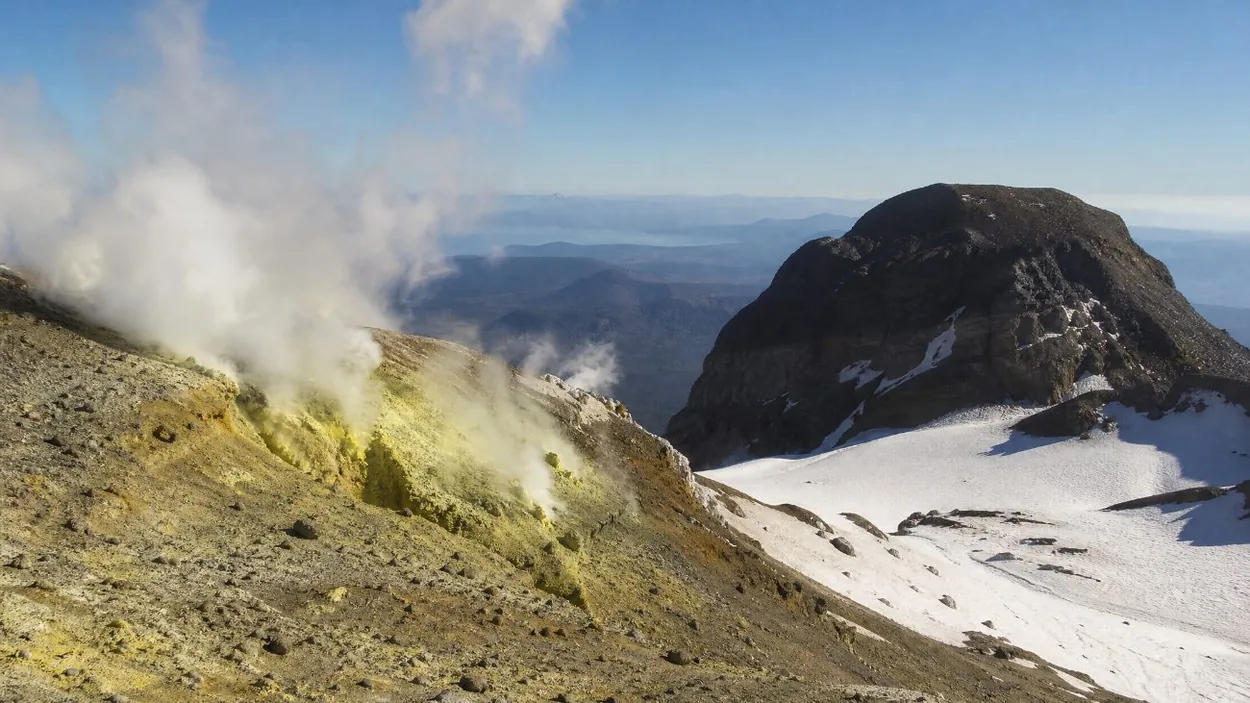
Some sources describe Mount Hood as dormant, meaning quiet between eruptions, but it is not extinct. The USGS says the Old Maid eruptive period “lasted for a decade or more following a dormant period of more than 1,000 years”, and that settlers reported activity in 1859 and 1865, with “fire, smoke, flying rocks, and voluminous steaming”. Crater Rock, passed on the summit route, is “the surviving remnant” of a lava dome, according to the USGS.
What is watched
The USGS runs 5 seismic stations within 12 miles of the volcano and names lahars, flows of mud and debris that “can be generated by hot volcanic flows that melt snow and ice or by landslides”, as its primary hazard. It records an earthquake beneath the volcano on 5 June 2021. The fumaroles at Devil’s Kitchen and Hot Rocks create holes in the snow that the USFS lists as a climbing hazard; see crevasses on Mount Hood. The USGS Mount Hood page carries the current status.
Seeing the summit crater
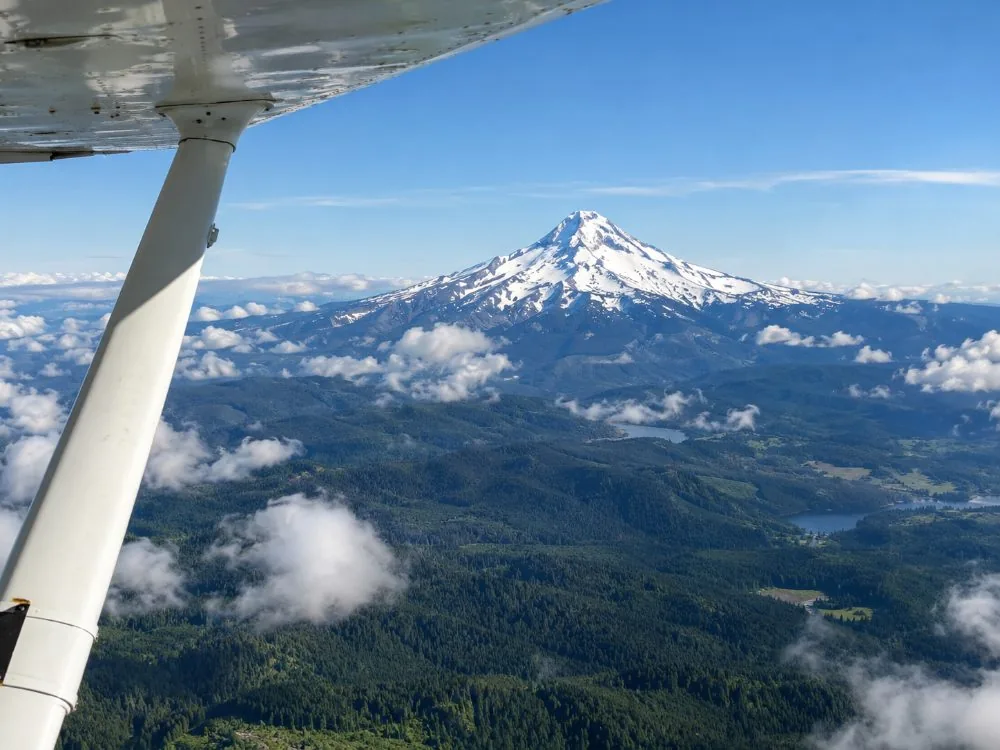
The crater lies on the technical climb. The flight tour’s listing describes a 1-hour airplane route with a Mount Hood aerial view, weather dependent.
Frequently asked questions
Is Mount Hood a dead volcano?
No. The USGS rates its threat level “Very High” and lists an 1865 eruption. See the complete guide.
When did Mount Hood last erupt?
The USGS lists 1865 as the most recent eruption; the last major period, Old Maid, was about 1781.
Is it safe to hike on Mount Hood?
The flank trails carry ordinary mountain risks; the summit climb carries more. See the safety page.